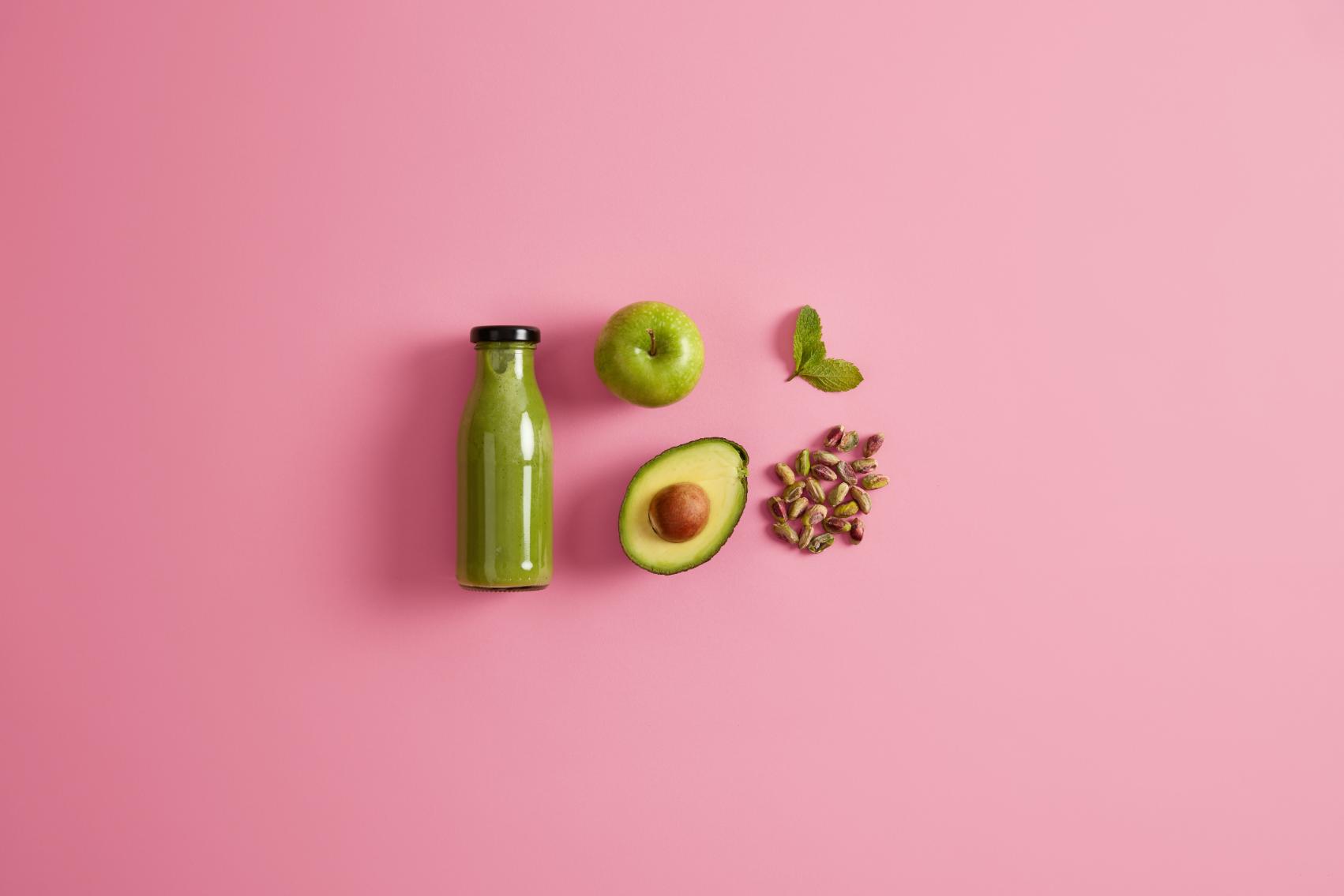
Smoothies and blended drinks have become a popular way for many people to incorporate fruits and vegetables into their daily routine. While individual nutritional needs vary, here's some general information about this approach to eating.
What Goes Into a Smoothie?
Smoothies typically combine several ingredients blended together. Common components include:
- Fruits (fresh or frozen)
- Vegetables like spinach or kale
- A liquid base (water, milk, or plant-based alternatives)
- Optional additions like yogurt, nut butters, or seeds
Potential Benefits of Blending
Some people find that blending makes it easier to consume a variety of produce. The convenience factor can be helpful for busy mornings or as a portable option.
Things to Consider
While smoothies can be nutritious, there are some factors worth considering:
- Portion sizes—it's easy to consume more calories in liquid form
- Added sugars—some recipes or store-bought options contain significant sweeteners
- Balance—smoothies work best as part of an overall varied diet
Getting Started
If you're interested in trying smoothies, starting simple is often best. A basic combination of fruit, a handful of greens, and a liquid base can be a good starting point.
Listen to Your Body
Pay attention to how different ingredients make you feel. What works well for one person may not suit another.
For personalized nutrition advice, especially if you have dietary restrictions or health conditions, consulting with a registered dietitian is recommended.